I have created and delivered a variety of learning activities aimed at school age children and family groups. These may take place in indoor and outdoor settings such as museums, science fairs, and community workshops and can be adapted for ‘take home’ or online delivery.
Approach
These activities promote engagement with specific topics, places, concepts or objects. I am a ‘Fellow of the Higher Education Academy’, but this is not University style teaching. Instead, these are hands on activities to experiment and discovery in a relaxed and inclusive way.
Design
I can develop activity outlines with defined outcomes, that I formulate and align with the client brief such as grant expectations. I apply a combination of project management and teaching methods to provide a budget and event plan. I source any necessary materials, focusing on sustainability.
Delivery
I am able to deliver activities by myself or with volunteers and students. Locations can be indoor and outdoors. Heritage and conservation requirements are respected, and I hold public liability insurance for workshops.
Evaluation
I am trained in quantitative and qualitative research methods so can set up and analyse evaluations. These can be adapted to the participants, desired outcomes and integrated with the activity, and followed up with online methods.
Case studies
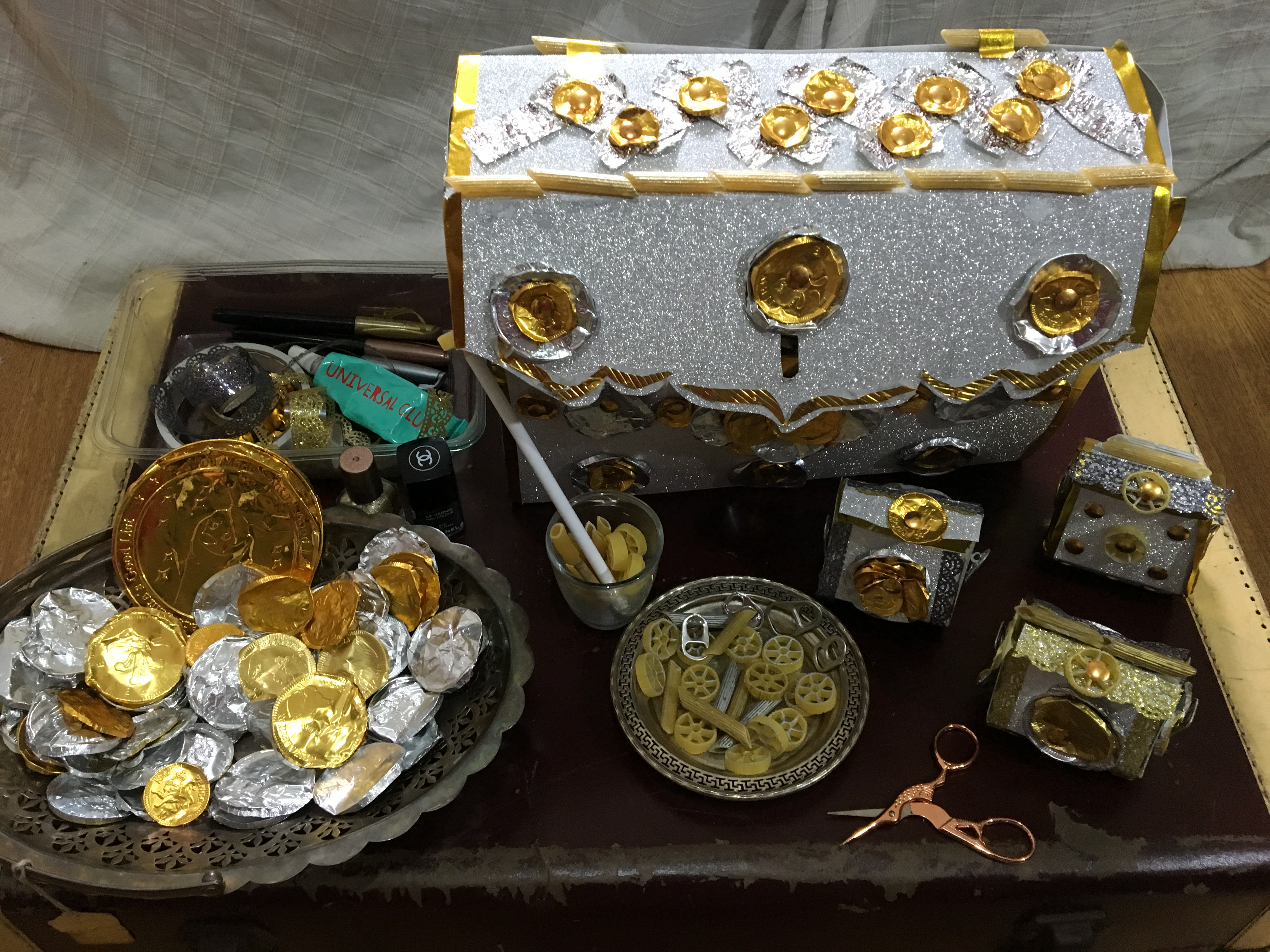
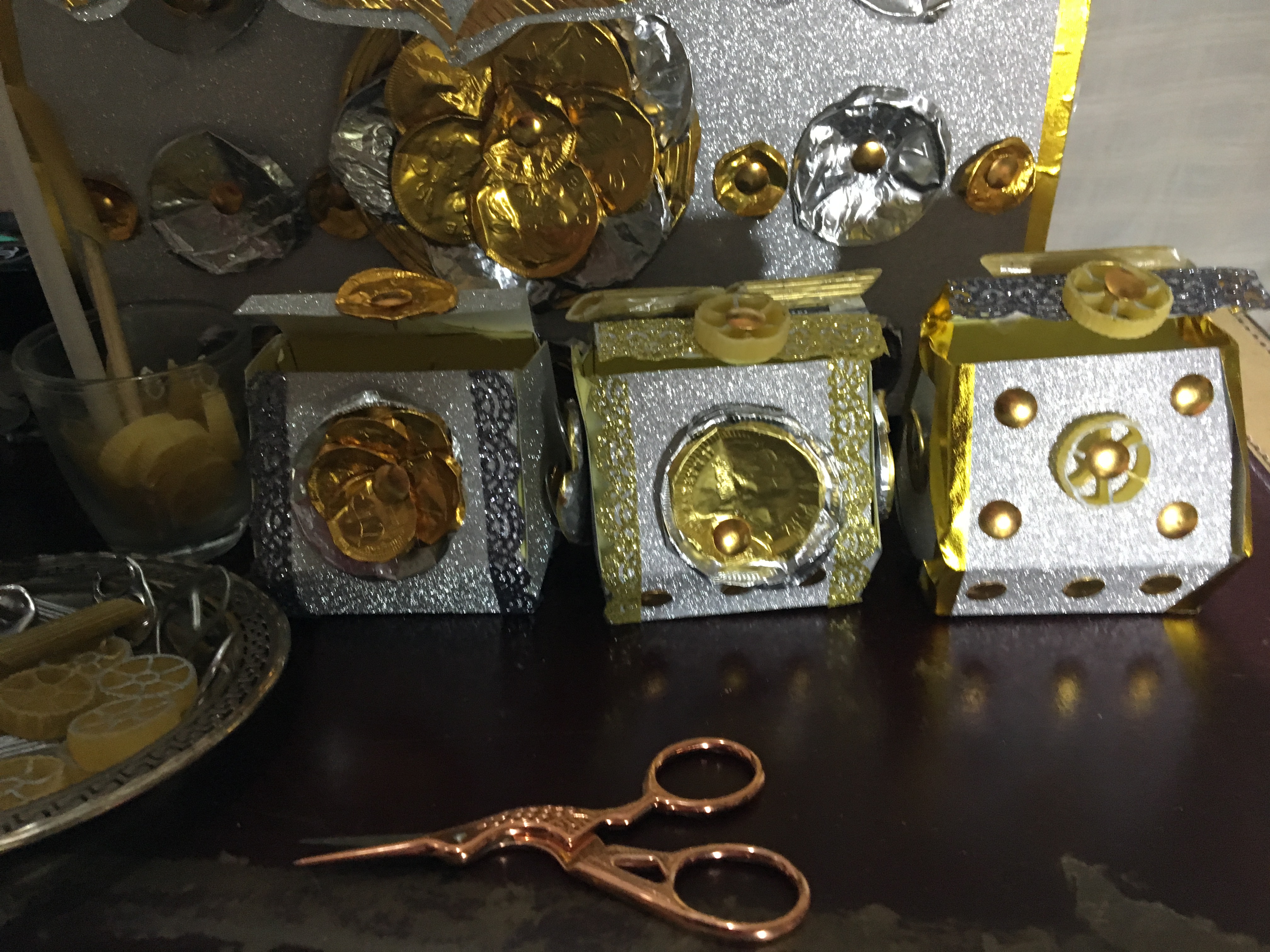
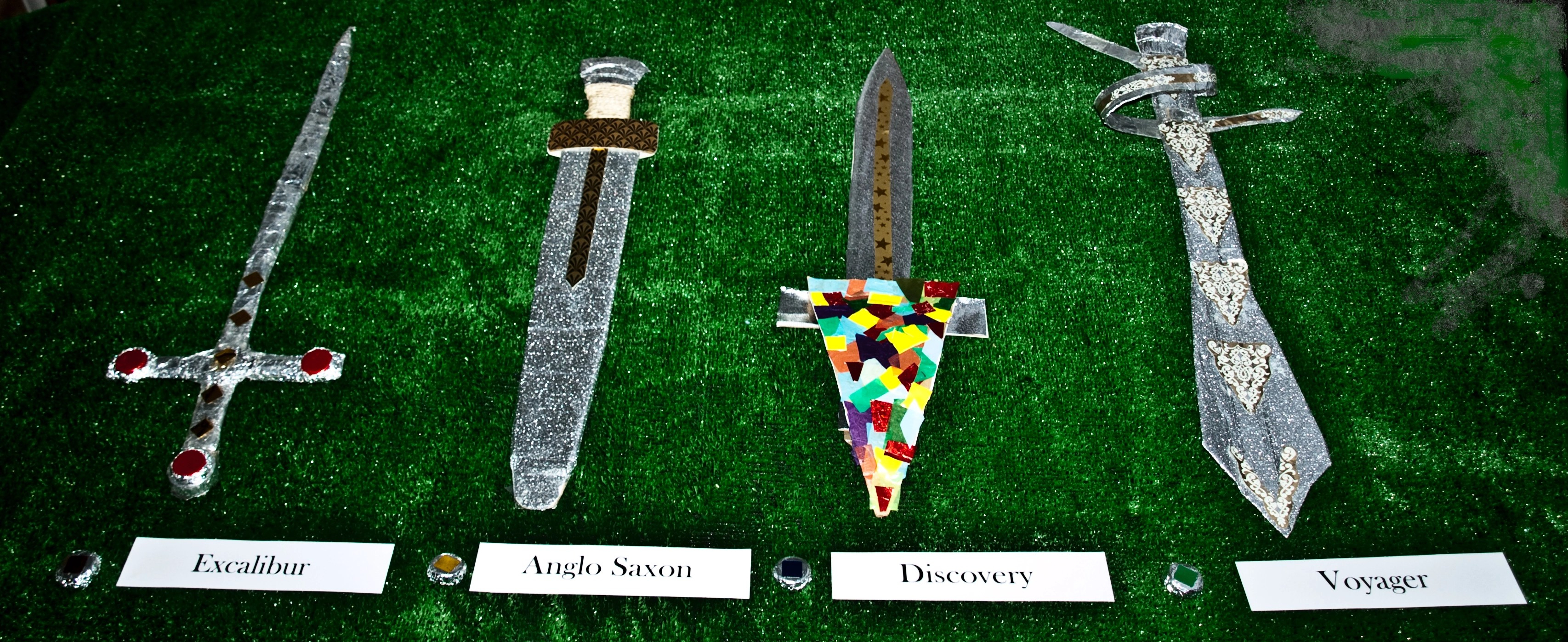
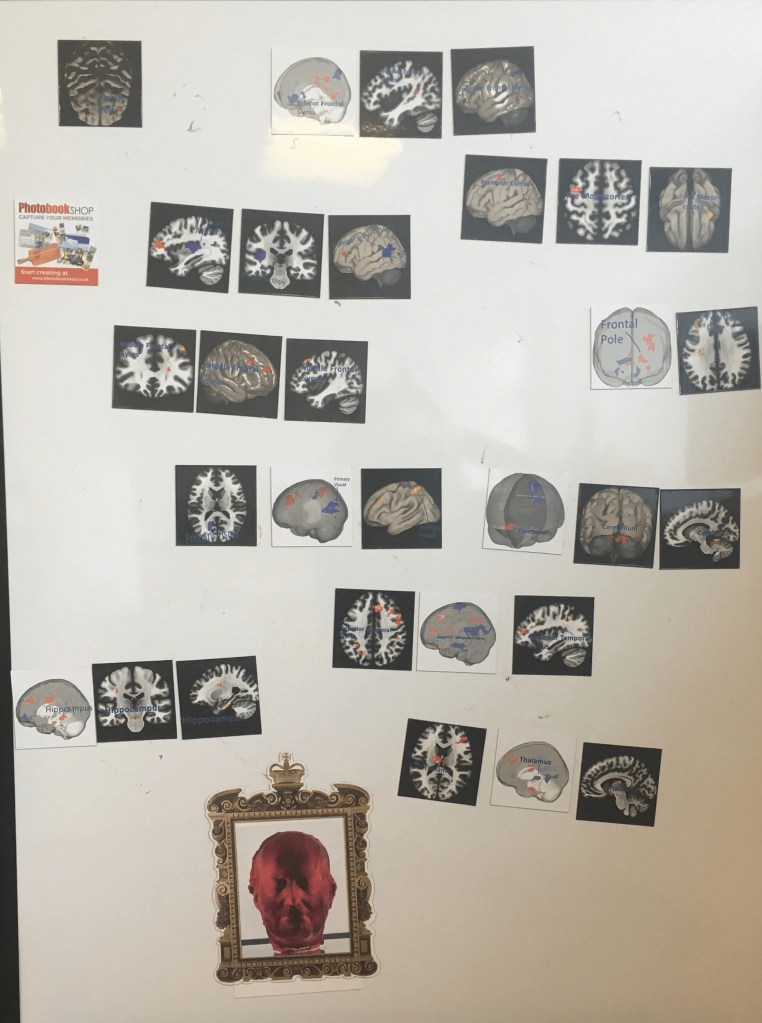
1. Museums and Metalwork
Two craft projects were based on metalwork in museum collections. The first (left) recreated the design of the ‘Mosul Handbag‘ from the ‘Precious and Rare’ exhibition of Islamic metalwork from the Courtauld collection at the Oxford Museum of the History of Science, to be demonstrated online during lockdown as part of Multaka Oxford. I had a brief to use pasta, and I added chocolate coin wrappers, copying the circular metal work patterns on the original bag.
The swords (right) were based on various found throughout the collections in the Ashmolean museum. They were for an onsite activity with a goal to interest boys in the art and design aspects of museum objects as well as function. The different shapes were intended to engage younger children. An accompanying game about how archaeologists discovered them developed the interest of the whole family. They were simply made from recycled wrapping paper and card.
2. Brain and the Bathtub
These materials were developed during my PhD and role as ‘Outreach Ambassador’ at the University of Surrey. Aimed at year 9 pupils they illustrate aspects of MRI brain imaging.
I generated images of brain regions using the graphical output from the image analysis toolkit (left). I had them printed onto magnets. A picture of the Marc Quinn sculpture ‘self’ is made from frozen blood also displayed on the magnetic board, together reflecting how how fMRI uses magnetism to generate images according to blood flow in the brain. Pupils explored them in a summer-school workshop.
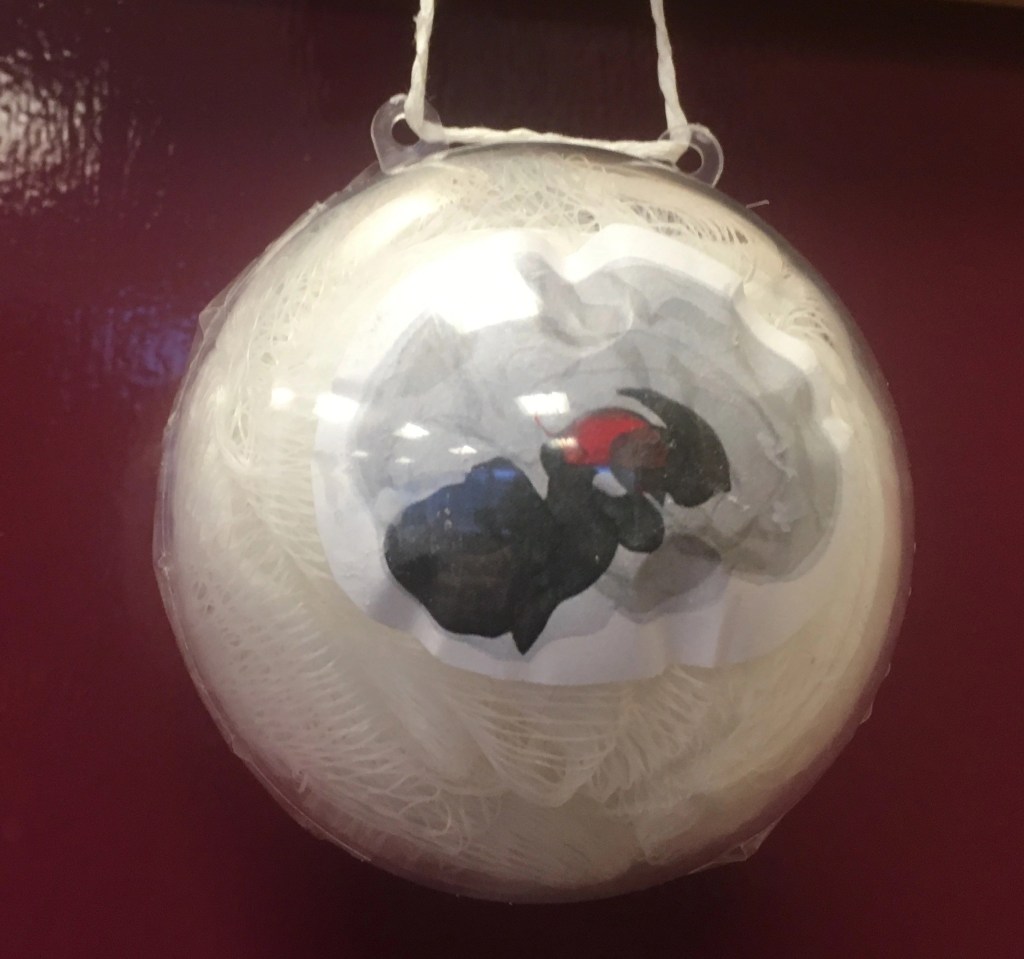
The image on the left demonstrates the folded neural net nature of the brain using a net bath sponge compressed into a perspex sphere, creating a 3D representation of how the brain is within the skull. This piece of homemade Sci-art is suitable for use as a Christmas decoration!
3. Tell-tale Trees
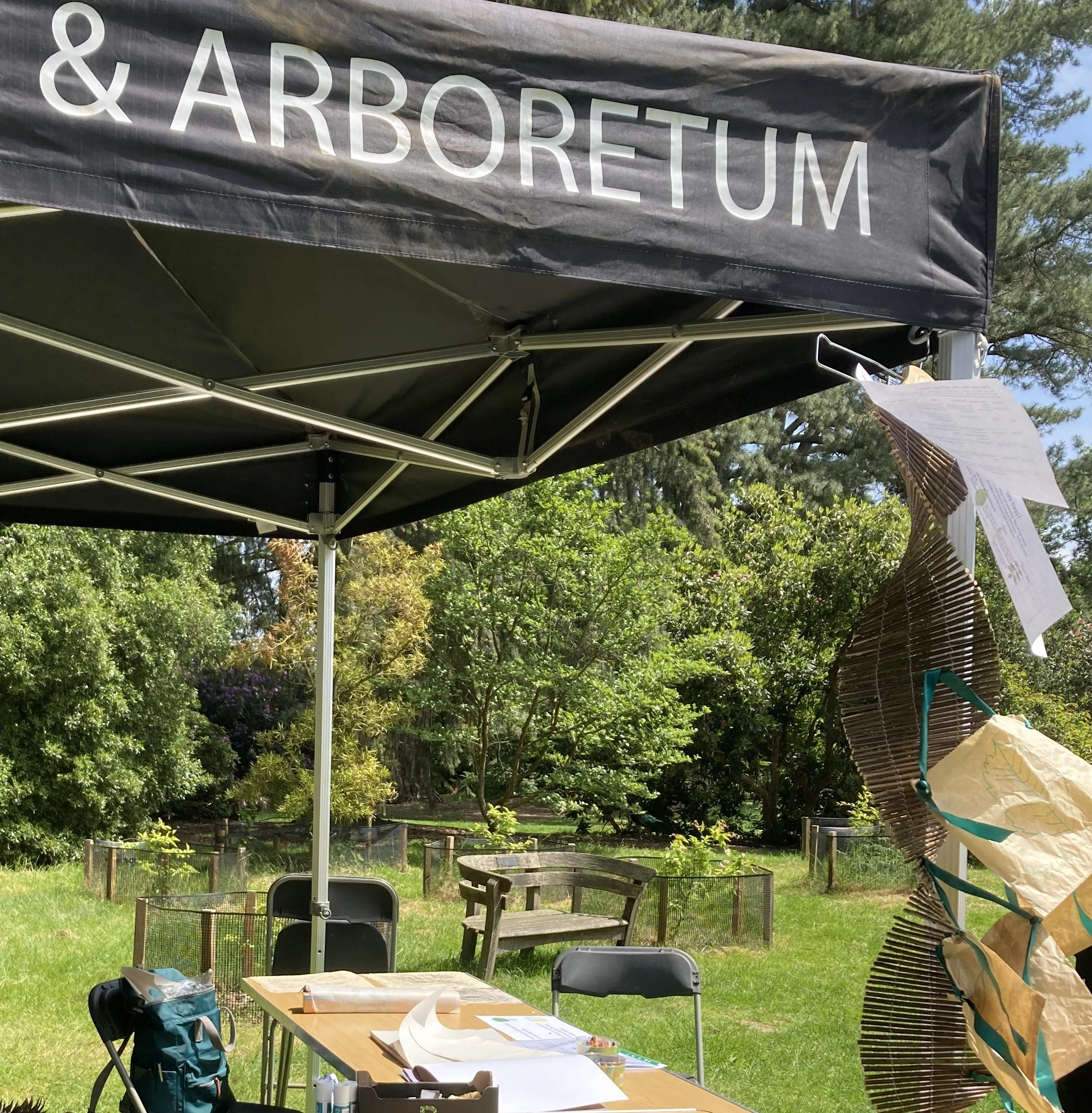
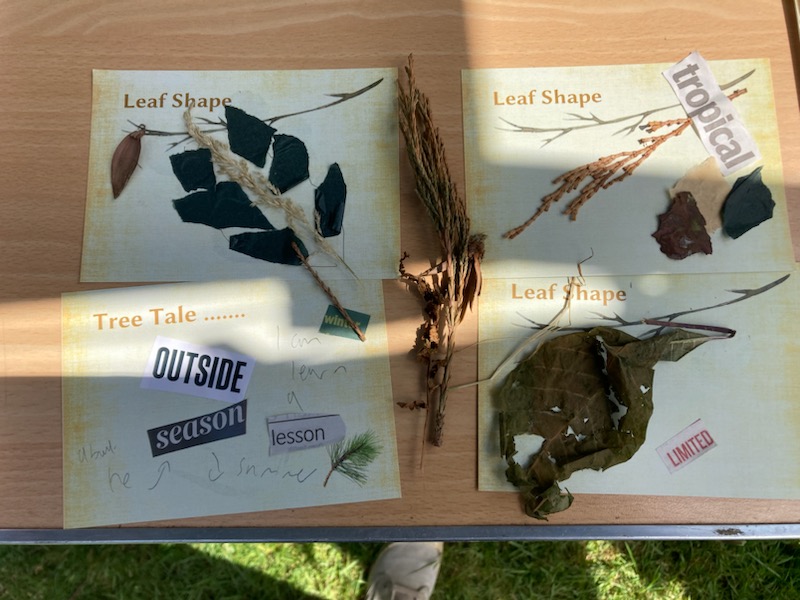
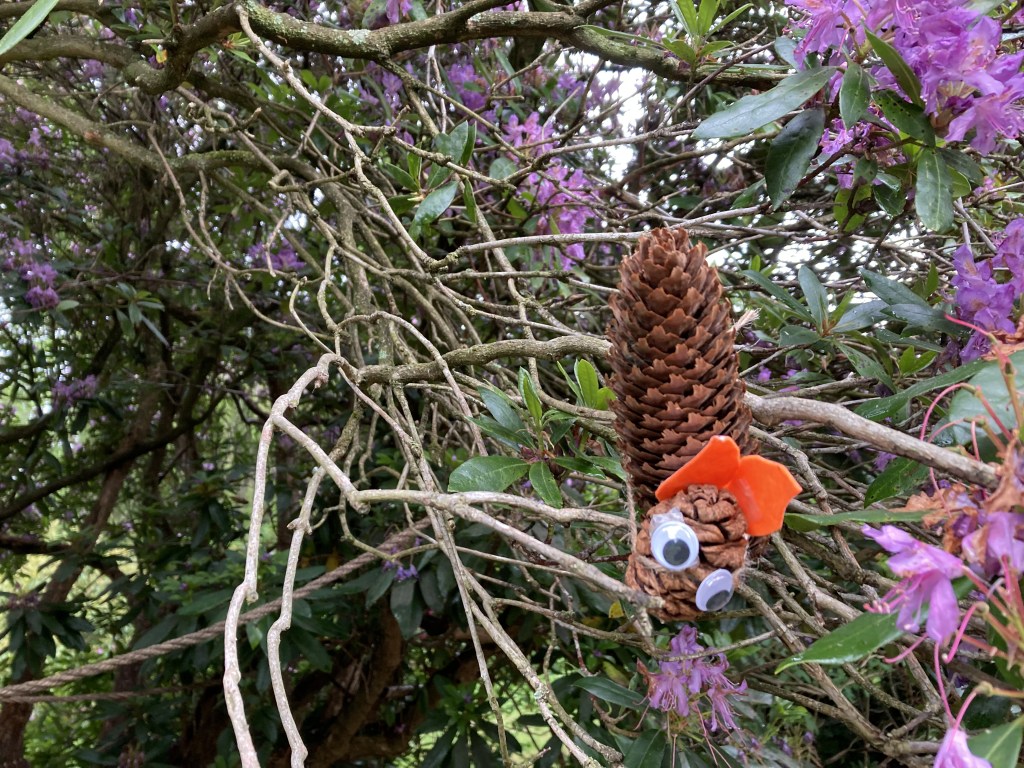
This family activity was developed for outdoors, taking place in the Oxford Arboretum. A trail encouraged walkers to observe and identify types of tree and add interest by linking them to well know stories. This inspired engaging with tree materials by decorating post cards card using words cut from recycled news papers and magazines. Collected natural items could also be used to decorate the cards and even create woodland creatures.
“More bespoke workshops ….”
— Coming soon
 Nextdoor2Me